
“Doechii doesn’t miss” – a phrase we’ve all been hearing lately and three words TJ Hoover and Darrius Medina know all too well; it was this mantra that fueled the See You Later designers and co-founders throughout the month-long Grammys process.
The Los Angeles-based design collective tasked with designing the Swamp Princess’ Grammys 2025 stage was ultra privy to the “Doechii doesn’t miss” mentality, echoed by members of Doechii’s creative team and onlookers alike.
“‘Doechii doesn’t miss’ was constantly said throughout the process,” Medina recalls of the sentiment. “So we were gonna make sure this was the best performance we could deliver.”
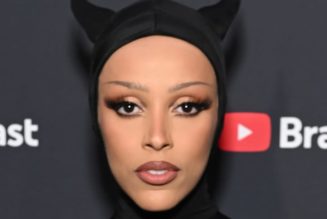
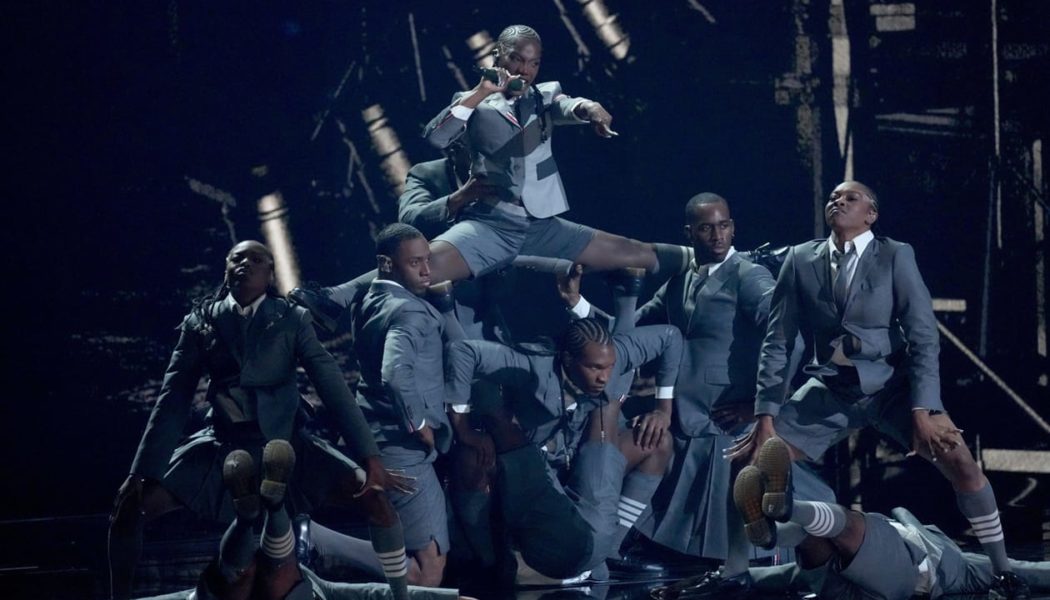
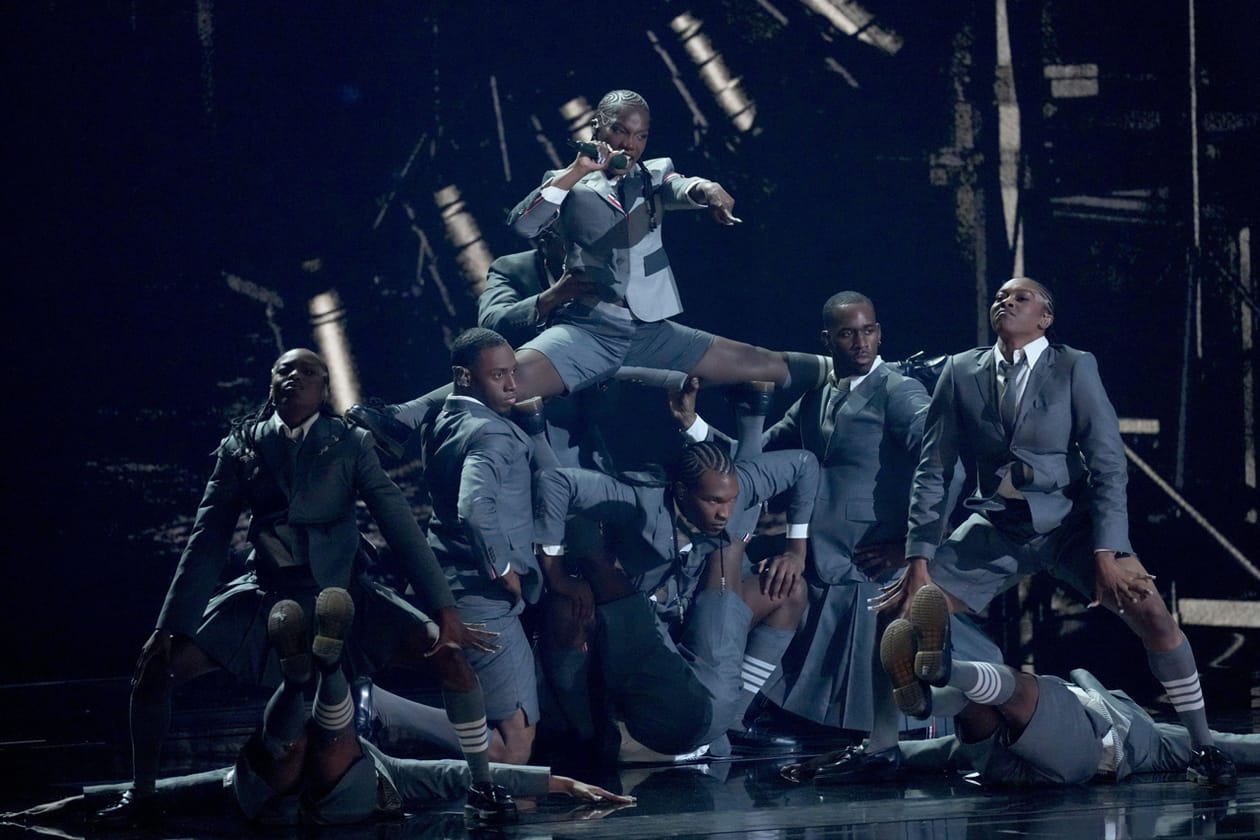
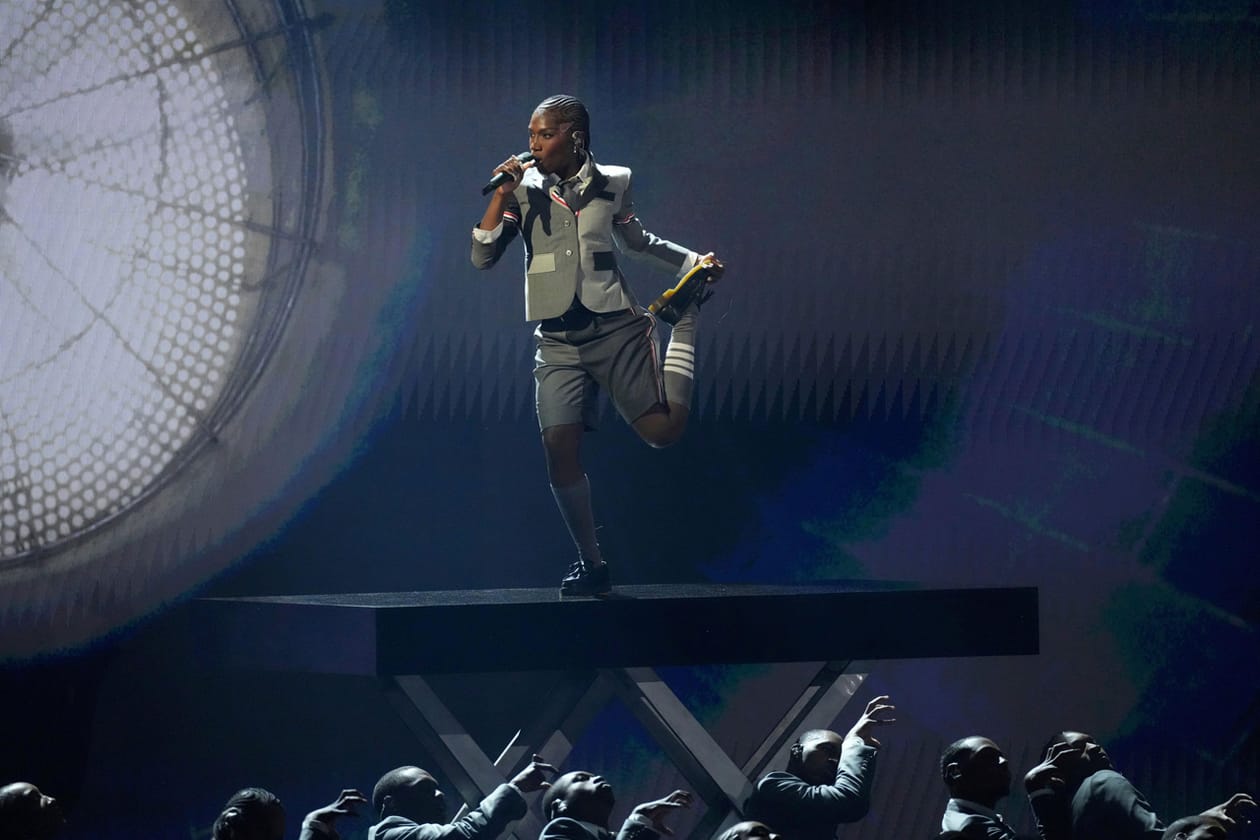
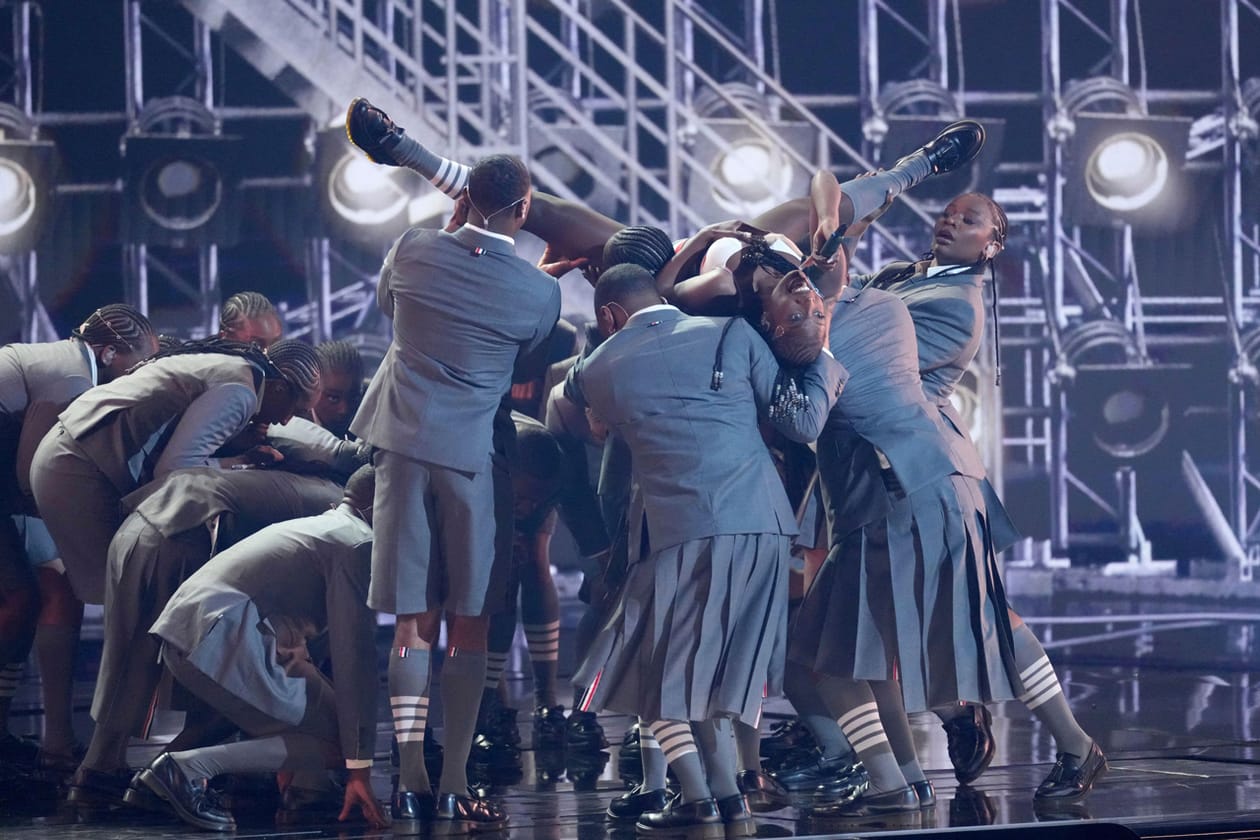
In head-to-toe Thom Browne, the Swamp Princess took over the Grammys stage for a striking performance of “CATFISH” and “DENIAL IS A RIVER,” surrounded by 30 sharply choreographed Doechii clones (who also donned head-to-toe Thom Browne.) Fully functioning conveyor belts were placed around the stage to mimic the layout of an industrial factory while an airboat sat at the back of the stage to, of course, pay homage to South Florida.
The hardest past? Having just ten minutes of turnover time to set the stage up.
Alamy
How would you describe the concept or mentality behind Doechii’s Grammys set?
TJ Hoover: It can all be summed up in one sentence: there can only be one Doechii. We played into that concept by having a bunch of Doechii clones – dressed in head-to-toe Thom Browne – on a stage with built-in conveyor belts that act as a Doechii clone factory. There was also an airboat on the stage where the DJ was, and that was paying homage to her Swamp Princess persona and South Florida roots.
What does the collaboration process between your team and Doechii’s team look like?
TH: The entire process took about a month of going through different ideas and revisions to nail down our vision. For some context, the Grammys did things differently this year and had a bunch of performances back to back, so we only had 10 minutes to get everything we’re using out on stage, which is quite crazy.
Darrius Medina: There’s always the struggle of not aligning when there are many people in the mix, but I think this collaboration was perfect. The chemistry was there immediately, and we all understood each other, which made for a smooth process of executing the best show possible.
Alamy
How does an initial idea become the final product?
TH: There were ideas we instantly aligned with Doechii and her team on including in the set – the swamp, Thom Browne and some larger thematic elements. C. Prinz, Doechii’s Creative Director, played a huge part in translating Doechii’s initial ideas into concepts, and she was the one who had the idea of implementing some sort of factory with conveyor belts. Doechii has such a clear vision and direction. It’s our job to come in and help figure out how to make these concepts practical and expand upon them from an entertainment standpoint.
How do all of the components come together?
DM: While it has many separate parts – lighting, visuals, cameras, stage design, choreography – we approach it as if it’s all one piece as opposed to individual elements. We have an amazing creative team of lighting designers, content producers and directors who lead the visuals. We all work as a team, but each has different specialties.
Alamy
How do you combine functionality with aesthetics?
TH: Every show has its constraints. As much as we design, I would say 70% of our work is problem-solving and figuring out how to overcome these constraints. We have over 15 years of touring and live show experience between the two of us, so we’ve seen almost everything that can go wrong and know the process so well that we can combat these things as best as possible. Darrius, particularly, is good at the nuts and bolts of how each piece gets built, so he knows how these things get executed physically.
DM: We prioritize communication. There are times when artists have these non-negotiable aspects they want to see and they don’t understand why we can’t execute them. Before we start anything, we lay out our constraints like “This is what we can do. This is what we can’t do.” It’s the reason we go through so many different iterations.
What was the biggest challenge in creating this set?
TH: TV shows are always the hardest. You’re a small slot on a big roster. It’s not our show. We don’t get to do whatever we want, bring whatever we want or use as much time as we want. The biggest constraint is ultimately the timing of it all and figuring out how we design something that’s impactful but also practical and feasible with timing parameters – the biggest one this year being the 10-minute changeover.
DM: I agree. It’s all about the timing and ensuring everything is perfect before we even get to the stage. It’s not just the turnover time; it’s the rehearsal time constraints and how often we can get on stage with everything out there to practice the performance from front to back. A lot of preparation is needed for pre-programming and pre-visualization and doing things in 3D to envision them as best we can before rehearsing, so once we get on stage, it’s flawless.
Alamy
How does this set encapsulate Doechii’s artistry?
DM: One thing everyone constantly said during the process is “Doechii doesn’t miss.” That was the mantra of the whole thing. So we made sure that it was the best performance we could deliver and everything was thought through. We wanted her to show her vision and artistry and feel confident about it.
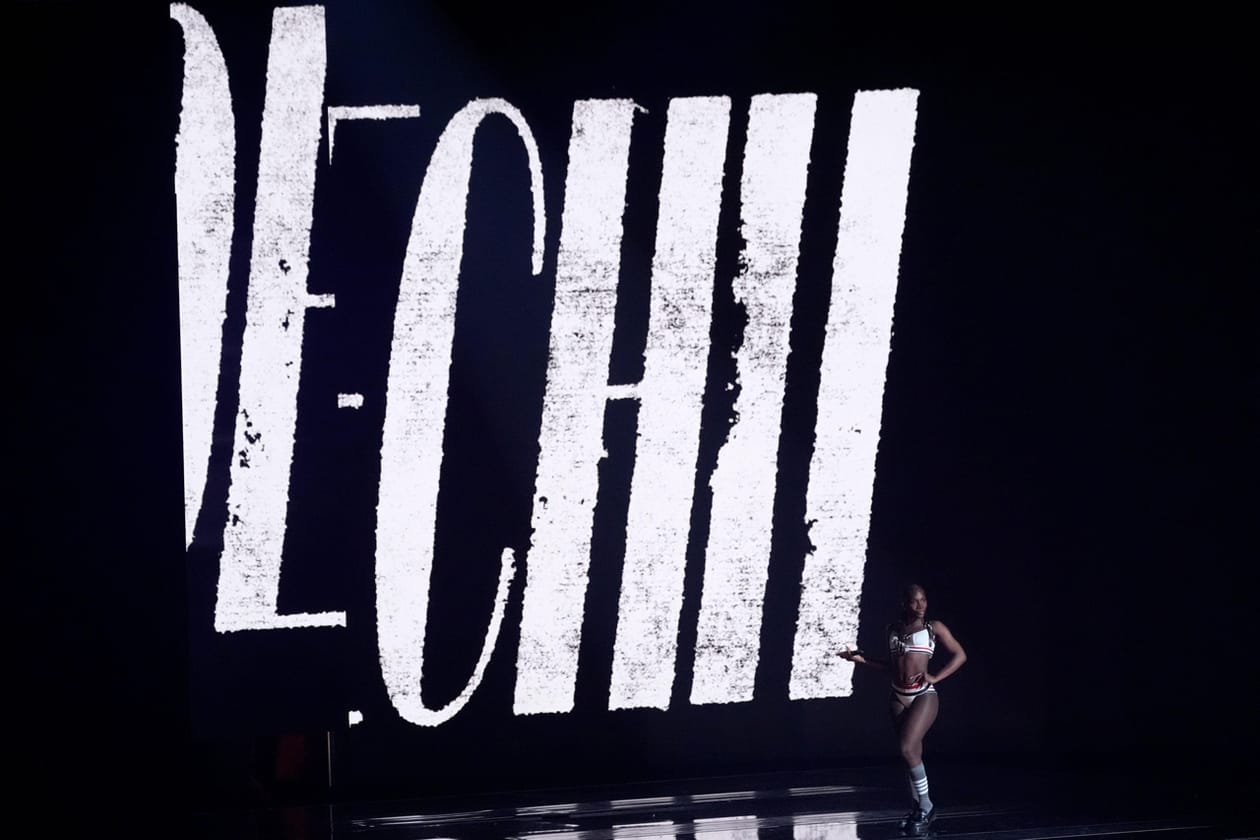
TH: Doechii is in such a special part of her career right now and she’s getting a lot of the attention she’s deserved for so long, so many people had this expectation of what the performance will look like. It’s split in half; “CATFISH” was a little more edgy, whereas “DENIAL IS A RIVER” was more humorous and fun. The two performances are cohesive but different enough to show the different sides of Doechii. Some of the themes we turned to for “CATFISH” leaned heavily into the swamp vibes, while “DENIAL IS A RIVER” was more Chicago and old Hollywood. The choreo is incredible. The clothing is insane. The amount of detail put into this performance to make sure it wasn’t not only on brand but remembered afterward is a testament to just how intentional Doechii’s process is.